Category: New products
-

Smart Solar Powered Crop Dryer Receives Grant Funds
An Indiana company is receiving U.S. government and private grants to develop a solar-powered algorithm-controlled crop dehydrator for small farms.
-

Trial Shows Radio Waves Safe for Alzheimer’s Therapy
Results from a small clinical trial show a treatment for Alzheimer’s disease using radio waves is safe and offers early evidence it can reverse memory loss.
-
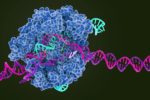
Gel, Crispr Help Defeat Cancer Drug Obstacles
A high-powered binding protein, formulated as a gel and targeted by Crispr gene editing is shown in lab mice to precisely deliver drugs and kill cancer cells.
-
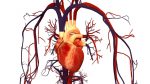
NIH Funds Augmented-Reality Endovascular System
A grant from National Institutes of Health is funding a system using augmented reality and holography to improve minimally-invasive repair of blood vessels.
-
Hydrogel Shown Safe to Repair Heart Damage
Results of a small-scale clinical trial show an experimental treatment using an injectable gel to repair damage from a heart attack is safe for patients.
-
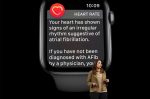
New App for Medical Research, Studies Revealed
Apple Inc. plans to release a new medical research app and announced a series of studies for its use in women’s health, hearing, and heart health.
-

Experimental Drug Shown to Prevent Memory Loss
A drug candidate designed to compensate for damage to brain cells from toxic proteins prevented nerve cell damage and memory loss in lab mice.
-

Response by Patients Shown to Precision Lung Cancer Drug
Results of a clinical trial show a treatment targeting specific genetic aberrations produces a therapeutic response in most patients with lung cancer from that condition.
-

Spin-Off Licensing Athletic Microbiome Technology
A company spun-off from biomedical engineering labs at Harvard University is acquiring research on microbial communities in elite athletes to create new probiotics.
-
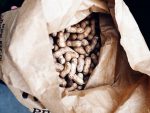
Peanut Desensitizing Found Safe, Effective Long-Term
A clinical trial shows children with peanut allergies taking peanut protein under the tongue avoid allergic reactions from peanuts for up to five years.