Category: New products
-

Algorithm Devised for Fast Heart Rhythm Screening
A machine-learning algorithm used with results from a standard electrocardiogram, is quickly able to detect irregular heart rhythms, a process that often takes much longer.
-
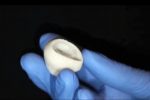
Heart Components Produced with 3-D Printing
Researchers developed techniques for accurate three-dimensional printing of human heart elements with bio-inks containing the cellular framework on which tissue can grow.
-

Smart Watch, A.I. Analyzing Human Emotions
A study is underway mapping human emotions with data collected by smart watches and analyzed with an app powered by artificial intelligence.
-
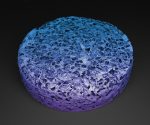
Protein-Eluding Scaffolds Help Grow New Blood Vessels
A polymer frame infused with proteins that stimulate immune cells encourages growth of new blood vessels in lab mice with peripheral artery disease.
-

A.I. Helps Visualize Emergency Social Media Data
A set of computational tools developed at Purdue University enables public safety agencies to monitor potentially catastrophic events in real time by analyzing text and images on social media.
-

Smart Fabrics Boost Wearable Sensor Connections
A new type of smart fabric can dramatically improve connectivity between wearable sensors and mobile devices compared to current wireless networks.
-

Trial to Test App Alerting for Dementia-Linked Drugs
A mobile and computer app that alerts older citizens about a class of drugs associated with Alzheimer’s disease will soon be tested in a clinical trial.
-
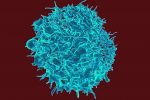
Trial Shows Immunotherapies Extend Life with Melanoma
First results from a clinical trial show a combination of immunotherapies extends survival among patients with melanoma, but shorter periods for other solid-tumor cancers.
-

Crispr Enhanced for RNA Editing
Researchers expanded the ability of the genetic editing technique known as Crispr to alter the make-up of RNA, adding more ways to treat diseases.
-

Bacteria Recruited to Produce Graphene
Labs in the U.S. and the Netherlands developed techniques to sustainably produce high-quality graphene with more capabilities, using a strain of bacteria.