Category: New products
-

Digital Tech, A.I. Assessed for Heart Valve Problems
Digital stethoscopes combined with artificial intelligence will be evaluated in a clinical study of these technologies to screen for heart valve disease.
-

Trial Testing Targeted Solid Tumor Immunotherapy
A clinical trial is underway testing the safety of a cancer therapy that harnesses the immune system, but also works only in the tumor to reduce adverse side effects.
-

Apps Shown to Reduce Blood Pressure, Detect Diabetes
Popular health apps on smartphones are shown in reviews of data from app users to help reduce blood pressure and screen for type 2 diabetes.
-
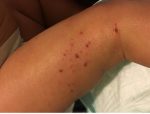
Skin Bacteria Therapy Tested in Kids with Eczema
A clinical trial is underway testing a form of bacteria sprayed on the skin that oxidize ammonia as a treatment for atopic dermatitis, or eczema, in children and teens.
-

Self-Powered Sensors Monitoring Mackinac Bridge
Thousands of small sensors are being deployed across the Mackinac Bridge in northern Michigan, one of the world’s longest bridges, to monitor its integrity.
-
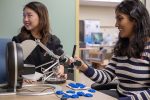
Start-Up Creating Touch Sensing for Visual Images
A start-up company spun off from Purdue University is developing a system that translates visual images to touch-sensing signals for people with limited visual abilities.
-
Sequencing IDs Pancreatic Cancer Targets
A genomic analysis of tumor samples from patients with pancreatic cancer, a cancer with a typically poor outlook, identified targets for early precision cancer detection and treatments.
-
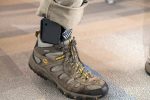
Fox Foundation Supports Parkinson’s Walking Device
A spin-off enterprise from University of Delaware is developing an electronic vibrating device that fits on the feet or ankles of people with Parkinson’s disease to help them walk.
-

Spider Silk Property Discovered with Robotics Uses
Dragline silk, also known as spider silk, is found in a new study to have a property that makes the natural material suitable for artificial muscles and actuators in robotics.
-

Wireless Sensors Monitor Newborns in ICUs
An international team developed two wireless sensors that safely monitor the vital signs of newborn infants in intensive care units, replacing the multiple wired devices used today.