Category: New products
-

Sensor-Pill System Designed for Cancer Drugs
A system combining a tiny sensor with oral chemotherapy drugs aims to provide physicians with closer monitoring of cancer patients’ treatments and conditions.
-

Univ. Spin-Off Creates Concussion Detection App
A start-up enterprise begun by students at Purdue University developed an iPhone app that detects mild brain injuries by measuring responses of eyes to light.
-
Consortium to Speed Vaccine Production
An alliance of research organizations is designing ways to cut the time needed to develop, test, and manufacture new vaccines to as little as 6 months.
-

3-D Printed Implants Treat Spinal Cord Injury
Customized implants, produced on a 3-D printer and seeded with stem cells, are shown in tests with lab animals to restore nerve signals and functioning after a spinal cord injury.
-
Spin-Off Gains Seed Funds for Non-Opioid Pain Drug
A company spun-off from a university medical materials lab received start-up funds to develop a non-opioid surgical pain therapy, including a clinical trial.
-
Cancer-Fighting Protein Designed to Cut Adverse Effects
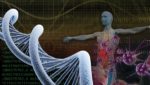
A computational biology lab designed a synthetic protein that works like natural cancer-fighting proteins, but in lab mice kills cancer cells with few adverse effects.
-
Electronic Tags Assessed to Boost Clinic Care
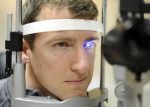
A medical school eye clinic is asking clinicians and patients to wear radio-frequency tags that track their time and movements to improve the clinic’s efficiency and quality of care.
-
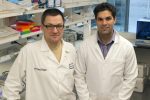
Crispr Deployed to Stop Disease, Pest Insects
A genetics lab is using the genome editing technique Crispr to create sterilized male insects, which can lead to fewer disease-spreading and farm pest insects.
-
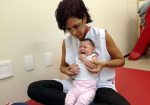
Trial Testing DNA Antibody Vaccine for Zika
A clinical trial is enrolling participants testing a vaccine to prevent Zika infections with synthetic DNA particles designed to produce antibodies against the virus.
-

Algorithms Identify More Genetic Syndromes
An analysis of facial images with computer vision and deep learning returned more accurate identifications of genetic syndromes than 3 panels of trained clinicians