Category: New products
-

Soil Microbes Yield Rich Antibiotic Sources
A group of geo- and bioscience researchers analyzed microbes residing in soil under northern California and discovered many new potential sources of antibiotics, well beyond current sources.
-

Natural, Engineered Microbes Shown to Control Cholera
A combination of natural bacteria found in milk products and a synthetic variation of those microbes are shown in tests with lab mice to detect and prevent cholera infections.
-

Regenerative Dressing Designed for Diabetic Wounds
A biomedical engineering team developed a dressing for diabetic skin wounds that harnesses the body’s own cell structuring proteins to regenerate new skin tissue for faster healing.
-
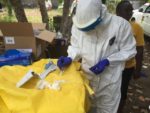
Single Technology Produces Vaccines for Multiple Infectious Diseases
A single technology platform is being used to design and produce vaccines that in tests with lab animals protect against a number of infectious diseases.
-
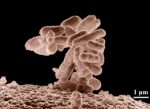
Bacterial Genome Recoded to Produce Stable Protein Drugs
A biotechnology lab devised techniques for genetically engineered bacteria to produce synthetic proteins that can last longer and are more stable than current protein production methods.
-

Blood Tests Shown Able to Identify Early Lung Cancer
Results from a large-scale clinical trial show an analysis of blood samples can detect and identify the presence of characteristic DNA indicating a person may have early stages of lung cancer.
-

Stem Cell Transplants Found Safe for Spinal Cord Injuries
Results from a clinical trial testing transplants of neural stem cells for spinal cord injuries show the therapies are safe for patients, with signs of improvement in most participants 1 to 2 years after treatment.
-
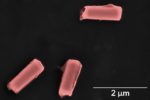
Nanoscale Cell-Like Robots Shown to Clean Blood
Engineering researchers developed tiny robotic devices, powered by ultrasound and designed to look and act like blood cells, which in lab tests cleared human blood of dangerous bacteria and toxins.
-
Data Tools Designed for Genomics-Based Precision Cancer Care
A computerized system is available that analyzes the genomic composition of cancer patients and recommends personalized treatments that its designers say take into account a larger array of factors than comparable systems.
-
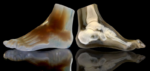
3-D Print Advance Creates More Accurate Medical Models
A new three-dimensional modeling and printing process can produce more accurate models of human anatomy in less time and with less effort than current techniques.