Category: New products
-

ALS Therapy Start-Up Gains $5.1M in Seed Funds
A start-up enterprise is developing a treatment for amyotrophic lateral sclerosis or ALS, spun off from university research labs and an ALS advocacy group.
-
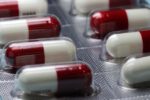
Trial Begins for Advanced Covid-19 Disease Anti-Viral
A late-stage clinical trial is underway testing an oral anti-viral drug to treat moderate to severe cases of Covid-19 infections.
-
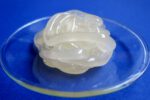
Pharma Company Licenses Protein Delivery Hydrogel
A drug maker acquired commercialization rights to an injectable hydrogel developed at a university lab that delivers proteins to repair diseased tissue.
-
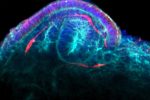
University Lab Licenses Printed Kidney Tissue Process
A start-up company is acquiring the rights to a stem cell and three-dimensional printing process to produce tissue needed by people with kidney failure.
-

Synthetic SARS-CoV-2 Particle Designed for Drug R&D
Two biotechnology companies created a synthetic non-infectious target model to represent SARS-CoV-2 viral variants for vaccine and therapy developers.
-

Alzheimer’s Vaccine Shown to Produce Immune Response
In tests with lab animals, an experimental vaccine is shown to generate antibodies responding to toxic brain proteins associated with Alzheimer’s disease.
-

Start-Ups Partner on Quantum Computing and Longevity
Two companies formed in the last two years are applying quantum computing and artificial intelligence to discover new treatments for improving human longevity.
-
Precision Cancer Genomics Company Adds $23M in Early Funds
Biofidelity says its process simplifies detection of genetic indicators in tumors enabling more precise therapies for cancer patients.
-
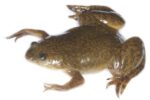
Start-Up Founders Demonstrate Amputated Tissue Regrowth
Founders of a regenerative medicine company demonstrated a drug delivery device that helps regrow several tissue types on frogs’ amputated limbs.
-
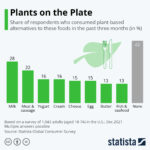
Infographic – Most of US Tries Plant Food Alternatives
A majority of respondents (58%) said they ate or drank at least one plant-based alternative to meat, fish, or dairy, while 42 percent said they did not.