Category: New products
-

NIH Grant Funds A.I.-Based Tuberculosis Detector
A company developing a system to quickly detect tuberculosis by analyzing sputum images received a federal grant to advance and validate its technology.
-

Wearable Sensor Analyzes Sweat, Measures Chemicals
A thin-film wearable sensor is shown in tests with volunteers to measure the presence of acids indicating gout in the chemistry of a person’s sweat.
-

Virtual Reality Helps Continue Stroke Rehab at Home
Results of a clinical trial show a multi-user computer game using virtual reality helps people recovering from a stroke to continue therapy at home.
-

New Antibiotic Discovered to Fight Drug-Resistant Bacteria
Researchers in the U.S. and Germany discovered a new source of antibiotics to fight drug-resistant bacteria from common worms living in soil.
-
Trial Shows Safety, Activity of ALS Stem Cell Therapy
A clinical trial shows a treatment for amyotrophic lateral sclerosis, or ALS, derived from bone marrow stem cells is safe and improves a patient’s condition.
-
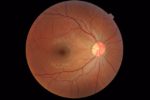
Retail Clinics Offer A.I.-Enabled Eye Diagnostics
A chain of primary care clinics in grocery stores is adding diagnostics using artificial intelligence to detect an eye disorder resulting from type 2 diabetes.
-
First Blood Disorder Crispr Treatments Reported
Early results from a clinical trial testing gene editing treatments for inherited blood disorders show the treatments helped patients improve their conditions.
-
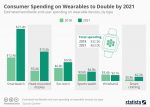
Infographic – Big Wearables Spending Growth Expected
Statista this week released a chart showing consumer spending on wearable devices like smart watches is expected to nearly double by 2021, our infographic for this weekend.
-

Update – Enrollment Opens in Apple Medical Studies
Three medical research studies using Apple iPhones and watches as data collection devices are now available for enrollment with the company’s Research app.
-

T-Cells Engineered to Release Anti-Cancer Proteins
A biotechnology company is developing modified immune system cells programmed to sense and respond to cancer cells with targeted therapeutic proteins.