Category: Regulations
-
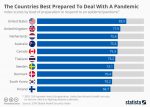
Infographic – U.S. Rated Best in Pandemic Prep
A new report on global health security says no country in the world is fully prepared to handle pandemics or epidemics, with data from the report displayed in this weekend’s infographic.
-

FDA – New Processes, Incentives Needed for Drug Shortages
A report from the Food and Drug Administration identifies the causes of recent shortages of some drugs, and calls for new processes and incentives to prevent future shortages.
-
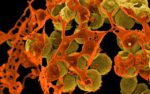
FDA Tags Biofilm Disruption Device as Breakthrough
A system using an electric current to break up bacterial communities on orthopedic implants received a breakthrough-device designation from the Food and Drug Administration.
-

Real-World Evidence Assessed for Cancer Drug Trials
Two medical technology companies are evaluating real-world evidence from patients to simulate randomized clinical trials for testing new cancer treatments.
-

Peanut Allergy Patch Under FDA Review
A device to build a tolerance of peanuts in children with a peanut allergy, worn like a patch on the skin, is under review by the Food and Drug Administration.
-
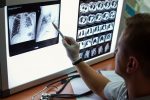
Review – Deep Learning As Good As Live Expert Diagnostics
A review of recent research shows — with caveats — deep learning algorithms appear as effective as live human experts in accurately interpreting medical images.
-

Cannabis Epilepsy Treatment Approved in Europe
The European Commission yesterday endorsed a recommendation to market in Europe a cannabis-based treatment for seizures from two rare forms of epilepsy.
-

FDA Releases Guidance on ALS Therapies
The Food and Drug Administration issued its latest guidance to developers of new drugs and biologics for treating amyotrophic lateral sclerosis, or ALS.
-

Opioid Abuse Treatment Medications Underused
While three medications for opioid abuse are approved by the Food and Drug Administration, the treatments are used sparingly in therapy according to a new review of data.
-
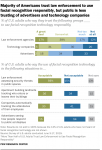
Infographic – Trust Varies in Facial Recognition Use
Americans overall express at least some trust about facial recognition use by law enforcement, but less confidence when used by businesses or employers.