Month: June 2019
-

Topical Immune Drug Reverses Skin Disease
A drug targeting immune system enzymes used as a skin cream is shown in a clinical trial to reverse effects of vitiligo, or loss of skin coloring.
-

A.I. Harnessed to Diagnose Children’s Gut Diseases
Medical researchers and data scientists are using artificial intelligence, or A.I., to diagnose children’s intestinal diseases found in the developing world.
-
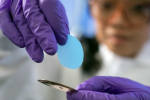
Efficient Carbon Capture Membranes Being Developed
University engineers and chemists are creating a more efficient material for separating carbon dioxide from emissions in power and industrial plants.
-
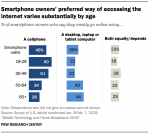
Infographic – Phones Top Internet Access Method
Findings from a Pew Research Center survey released this week show more Americans with smartphones use their phones to access the Internet than other methods, this weekend’s infographic.
-
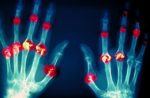
Nerve Stimulation Reduces Arthritis Inflammation
Results from a small-scale clinical trial show an implanted device that stimulates the vagus nerve helps reduce the activity of rheumatoid arthritis.
-

Gates Funding VR with Expansion Microscopes
The Bill and Melinda Gates Foundation is backing research to combine a microscopy technique that grows the size of samples being examined with virtual reality, or VR.
-
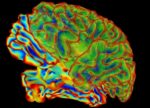
Chip Device Simulates Blood-Brain Barrier
A bioengineering lab developed a miniaturized chip with living cells that offers a realistic simulation of the blood-brain barrier to test new drugs.
-

No More YouTube on Science & Enterprise
Because YouTube’s business model relies on luring viewers to content unrelated to our stories, including videos that we abhor, Science & Enterprise will no longer embed or link to YouTube videos.
-

Foundation Supports Muscular Dystrophy RNA Therapy
A university spin-off company is receiving a foundation grant to advance its Crispr technology targeting RNA to treat a form of muscular dystrophy.
-

Intermountain, deCode Partner on Population Genetics
A health care network in Utah is partnering with a genetic analytics company to find connections between genetics and disease in 500,000 of its members.