
– Sponsored content –
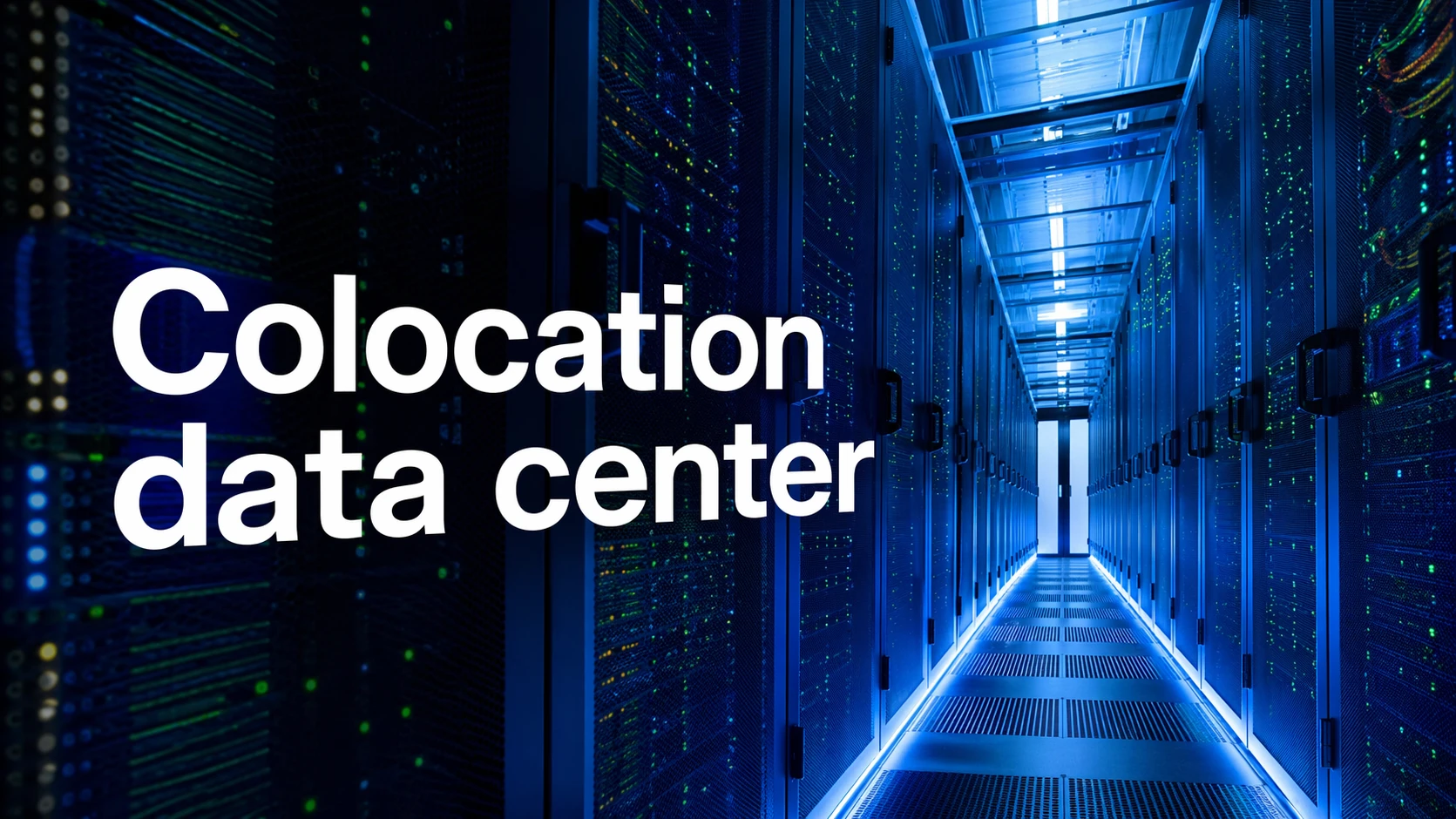
A colocation data center is a model of IT infrastructure deployment in which a company installs its own servers and networking equipment in a professional data center while using the facility’s engineering and network infrastructure.
Instead of building its own server room or corporate data center, a business rents space in a specialized facility. The equipment remains the property of the company, while the data center provides the conditions required for stable and secure operation.
This model is widely used by companies that require high infrastructure reliability, fast network connectivity, and continuous service availability.
The infrastructure of a modern data center typically includes:
- redundant power supply
- cooling and climate control systems
- high-speed network connectivity
- physical and digital security
- 24/7 equipment monitoring
Because of this infrastructure, servers can operate continuously 24 hours a day without interruptions. This is especially important for cloud services, corporate systems, online platforms, and financial services. Colocation also allows companies to focus on their IT services and applications without spending resources on maintaining engineering infrastructure.
How a colocation data center works
In a colocation model, a company purchases or already owns server equipment and installs it in a data center. The equipment is placed in dedicated racks or server cabinets.
The most common deployment options include:
- 1U–4U – hosting individual servers
- half rack – part of a server cabinet
- full rack – an entire server cabinet
- private cage – a separate isolated area for a company’s equipment
The data center provides power, cooling, and network connectivity, while also ensuring the physical protection of the equipment. Most modern facilities use multiple independent power lines and backup generators.
In addition, many providers offer additional services:
- Remote Hands / Smart Hands
- equipment monitoring
- redundant network connectivity
- DDoS protection
- connectivity to cloud platforms
With this infrastructure, companies receive a level of reliability that is difficult to achieve in an in-house server room.
Why companies use colocation data centers
Many companies choose colocation when their IT infrastructure begins to grow and a typical server room can no longer provide the required level of reliability, security, and scalability.
Building a private data center requires significant investment. It involves constructing a specialized facility, installing cooling systems, redundant power systems, fire suppression, network infrastructure, and ensuring round-the-clock maintenance. For most companies, this is too expensive and complex.
Colocation allows businesses to use professional data center infrastructure without having to build it themselves. The main reasons companies choose colocation include:
- high infrastructure reliability
- stable power supply with redundancy
- access to high-speed internet connectivity
- physical security for equipment
- the ability to scale infrastructure
Modern data centers are designed so that equipment can continue operating even during accidents or technical failures. To achieve this, facilities use redundant power systems, independent network routes, and advanced cooling systems.
For example, in Tier III data centers, equipment can be serviced without interrupting services, and the average infrastructure availability reaches 99.982%, which corresponds to approximately 1.6 hours of downtime per year.
In addition, placing servers in a data center allows companies to gain access to major internet hubs and traffic exchange points (IX). This reduces network latency and improves data transmission speed.
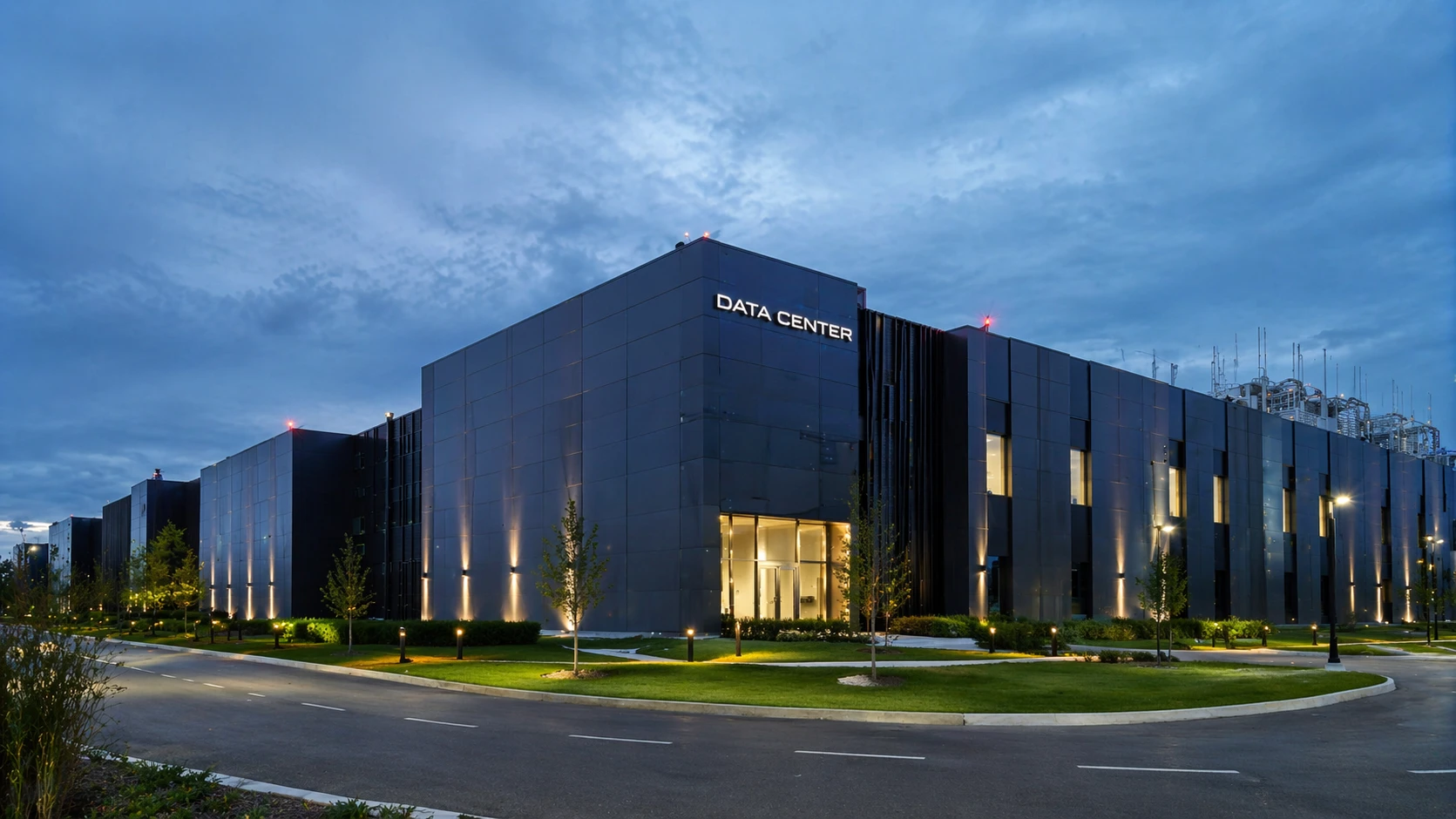
Colocation vs cloud vs on-premise infrastructure
There are several models for hosting IT infrastructure. The most common are on-premise infrastructure, cloud services, and colocation.
Each model has its own characteristics and is used in different scenarios.
On-premise infrastructure
In this model, servers are located in the company’s office or in its own server room. This approach provides full control over the equipment but requires significant investment in infrastructure and maintenance.
Key characteristics of on-premise infrastructure:
- the company fully owns the hardware
- infrastructure is located within the office
- the company is responsible for power, cooling, and security
- scaling can be complex and expensive
Cloud infrastructure
Cloud services involve the use of virtual servers hosted within the infrastructure of a cloud provider. Clients rent computing resources and pay for them based on consumption.
Key characteristics of cloud infrastructure:
- no need to purchase physical servers
- high scalability and flexibility
- pay-as-you-go pricing model
- infrastructure is fully managed by the provider
Colocation
Colocation sits between these two models. A company uses its own servers but hosts them in a professional data center.
Key characteristics of colocation:
- hardware belongs to the company
- infrastructure is provided by the data center
- high reliability and security
- access to professional network infrastructure
This approach is often used by companies that require full control over hardware while also needing a level of reliability that is difficult to achieve in an office environment.
Advantages of colocation data centers
Colocation has become a popular model for hosting IT infrastructure due to the combination of reliability, performance, and hardware control.
Unlike cloud services, companies maintain full control over the hardware layer of their infrastructure while benefiting from the professional engineering systems of a data center.
Data centers are designed for continuous operation of equipment. Most modern facilities include:
- redundant power lines
- diesel generators
- uninterruptible power supply (UPS) systems
- multi-level cooling systems
This allows server equipment to operate continuously even during failures in the city power grid.
Another important advantage is access to network infrastructure. Large data centers are connected to internet exchange points and multiple telecommunications providers. This allows companies to choose optimal network routes and reduce data transmission latency.
In addition, colocation simplifies the scaling of IT infrastructure. As a business grows, a company can simply rent additional space in the data center and install new servers.
How to choose a colocation data center
Choosing a colocation data center is an important decision for any company, since the stability of IT services, applications, and corporate systems depends on the data center infrastructure.
When selecting a facility, it is necessary to consider not only the cost of hosting but also the technical characteristics of the infrastructure.
The most important criteria when choosing a data center include:
- the reliability level of the data center (Tier II, Tier III, or Tier IV)
- redundancy of power and cooling systems
- availability of network providers and internet exchange points
- level of physical security
- the ability to scale infrastructure
One of the key indicators is the Tier level, which defines the architecture and reliability of a data center. It is also important to consider the network infrastructure of the facility. The more telecommunications providers connected to the site, the higher the level of network resilience and flexibility.
Many companies choose data centers located near major internet exchange points.
Special attention should also be given to security systems. Modern data centers use multi-layer protection systems, including:
- access control and biometric identification
- video surveillance
- 24/7 security personnel
- fire detection and suppression systems
Finally, an important factor is the ability to scale infrastructure. If a company plans to increase the number of servers, the data center should allow easy expansion of the deployment.
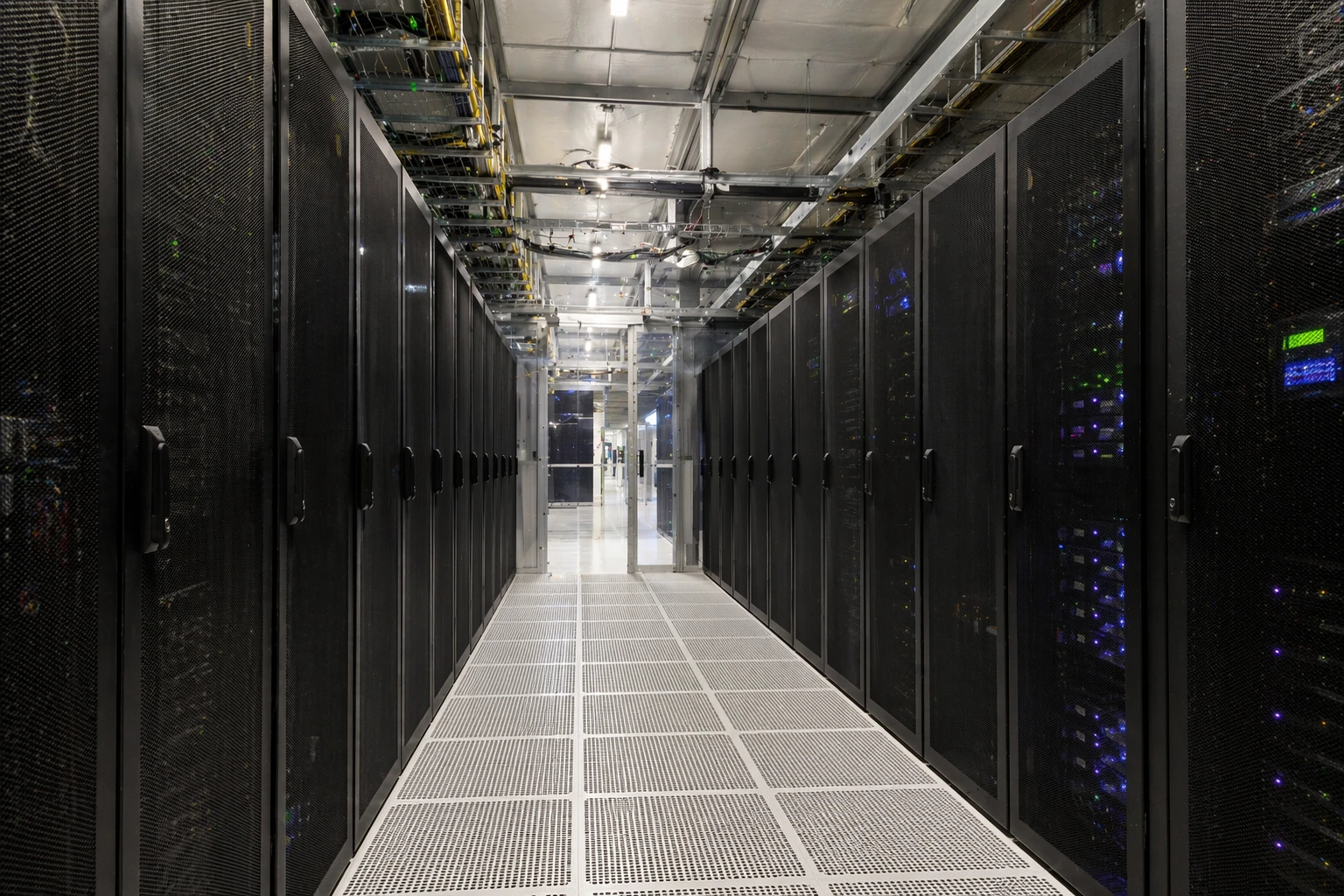
What Colocation Means for Modern IT Infrastructure
A colocation data center is a model of IT infrastructure deployment that allows companies to use professional engineering systems of data centers to host their own server equipment.
This model combines the advantages of full hardware control with high infrastructure reliability. Companies gain access to redundant power supply, professional cooling systems, and high-speed networks without the need to build their own data center.
Colocation remains an important part of modern IT infrastructure. It is used by companies that require stable service operation, high network performance, and the ability to scale infrastructure as their business grows.
* * *