Tag: university
-

Tissue-Engineered Heart Chamber Model Developed
A university bioengineering group developed a model of a left ventricle, the heart chamber that pumps blood to the body, made with engineered heart muscle tissue to replace animals for drug testing.
-

NSF, Industry Group Fund Bio-Based Semiconductor R&D
A research consortium in the semiconductor industry and National Science Foundation are supporting a series of projects investigating interactions between biology and circuits for data transfer and storage.
-

Wearables, Game App Help Boost Exercise Levels
A study assessing FitBit devices and a game-style mobile app shows a combination of the technologies results in more exercise by office workers, at least at the outset, than just the FitBit alone.
-

RNA Nanoparticles Designed for Brain Cancer Therapy
Medical researchers and material scientists devised a technique for delivering tiny particles of genetic material to the brain, which help lab mice shrink or remove their brain tumors and survive longer.
-

Trial Testing Vitamin D, Fatty Acids for Type 1 Diabetes
A clinical trial is underway testing vitamin D and omega-3 fatty acids in children and adults as a treatment for type 1 diabetes, the form of diabetes where the body does not produce insulin.
-

Apps Seen Over-Diagnosing Mental Health Conditions
A study of leading mobile apps for mental health indicates many apps promote their use with misleading guidance to individuals on the extent and seriousness of psychological conditions.
-

Big Data, A.I. Applied to Precision Medicine for Lung Disease
A medical analytics company and two academic scientists are applying artificial intelligence technologies to discover precise therapies for people with idiopathic pulmonary fibrosis, a chronic lung disease.
-
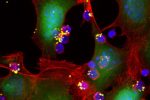
Nanoparticles Shown to Boost Anti-Cancer Immune Cells
A bioengineering lab developed a technique to attach larger quantities of cancer-fighting proteins to immune system cells that in lab mice reduced or eliminated tumors while avoiding harmful side effects.
-

Gene Therapy Shown to Reduce Extreme High Cholesterol
A gene therapy technique that stops production of a targeted protein is shown in tests with monkeys to reduce levels of harmful cholesterol, but also expose potential risks associated with the technique.
-
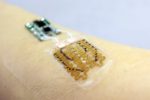
Smart Bandage Monitors, Provides Drugs to Chronic Wounds
An engineering team at Tufts University is developing a self-contained bandage with sensors that monitor the status of chronic wounds, and also dispenses medication as needed.