Tag: nanotechnology
-

FDA Approves RNA-Interference Nerve Disease Therapy
A treatment that silences the actions of RNA and reverses damage to nerves from a rare inherited neurological disease was approved by the Food and Drug Administration.
-
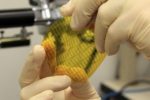
Ultra-Sensitive Nanotech Robot Skin Receives Patent
Inventors of a system of sensors packaged in a thin film received a patent for their work that enables robotic devices to better sense conditions in the nearby environment.
-

Tissue-Engineered Heart Chamber Model Developed
A university bioengineering group developed a model of a left ventricle, the heart chamber that pumps blood to the body, made with engineered heart muscle tissue to replace animals for drug testing.
-

NSF, Industry Group Fund Bio-Based Semiconductor R&D
A research consortium in the semiconductor industry and National Science Foundation are supporting a series of projects investigating interactions between biology and circuits for data transfer and storage.
-

RNA Nanoparticles Designed for Brain Cancer Therapy
Medical researchers and material scientists devised a technique for delivering tiny particles of genetic material to the brain, which help lab mice shrink or remove their brain tumors and survive longer.
-
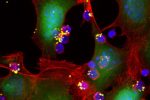
Nanoparticles Shown to Boost Anti-Cancer Immune Cells
A bioengineering lab developed a technique to attach larger quantities of cancer-fighting proteins to immune system cells that in lab mice reduced or eliminated tumors while avoiding harmful side effects.
-
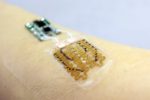
Smart Bandage Monitors, Provides Drugs to Chronic Wounds
An engineering team at Tufts University is developing a self-contained bandage with sensors that monitor the status of chronic wounds, and also dispenses medication as needed.
-

Coalition to Fight Surgical Implant Infections
Researchers in Australia from academic, not-for-profit, and business labs are investigating a solution for infections that form on orthopedic implants, based on the structure of a dragonfly’s wing.
-
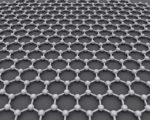
Graphene Circuits Enhanced to Monitor, Image Brain Signals
Engineers and neuroscientists discovered a technique for enhancing the conductivity of graphene electrodes to make them better able to record optical images of brain activity in lab mice.
-
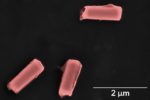
Nanoscale Cell-Like Robots Shown to Clean Blood
Engineering researchers developed tiny robotic devices, powered by ultrasound and designed to look and act like blood cells, which in lab tests cleared human blood of dangerous bacteria and toxins.