Tag: life sciences
-
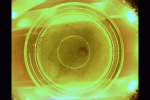
Microrobot Swarm Breaks Up Bacterial Biofilms
A medical-engineering team designed tiny robots that in lab tests remove large patches of bacterial communities called biofilms found growing on medical devices and human teeth.
-

A.I. Speeds Infant Genetic Disease Diagnostics
Hospital, academic, and industry researchers devised automated techniques including artificial intelligence to sharply reduce the time for diagnosing genetic diseases in infants.
-

Natural-Sounding Speech Produced from Brain Signals
A neuroscience lab created a virtual speech-generating vocal system that produces natural sounding human speech by interpreting activity in the brain.
-

Simple Process Devised for Synthetic Mother-of-Pearl
Researchers in the U.S. and Europe developed a simple, inexpensive, and sustainable process to grow synthetic nacre, also known as mother-of-pearl.
-
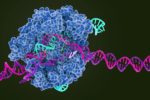
Crispr Made More Immune-System Safe
Researchers at Arizona State University created a process to make the genome editing technique Crispr less likely to cause an immune system reaction in patients.
-
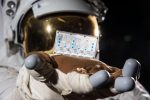
Tissue Chip Experiments Set for Space Station
A collection of 4 new tissue chip experiments are among the payloads to be sent next week to the International Space Station or ISS.
-

Precision Medicine Tested for Combination Cancer Therapies
Results from a clinical trial show precision medicine, where the genomic nature of tumors guides the choice of treatment, can identify a combination of cancer therapies with better outcomes for patients.
-

Leaf-Based Process Produces Low-Cost Enzymes
A University of Pennsylvania lab is developing a process for producing enzymes, chemicals from organisms that act as catalysts, in green leafy plants at low cost.
-

On Medium – Get Ready for Bio-Programming
We have a new story published yesterday on Medium that describes an emerging branch of synthetic biology seeking to create living processes which work like digital circuits.
-

Gel Boosts T-Cells for Cancer Treatments
A biomedical engineering team devised techniques using a gel to produce more engineered T-cells, which in lab mice stopped the growth of tumors.