Tag: life sciences
-

Sequencing IDs Pancreatic Cancer Targets
A genomic analysis of tumor samples from patients with pancreatic cancer, a cancer with a typically poor outlook, identified targets for early precision cancer detection and treatments.
-

Fox Foundation Supports Parkinson’s Walking Device
A spin-off enterprise from University of Delaware is developing an electronic vibrating device that fits on the feet or ankles of people with Parkinson’s disease to help them walk.
-
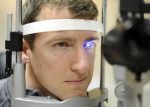
Biogen Acquires Gene Therapy Company in $800M Deal
A company developing treatments for inherited eye diseases that replace malfunctioning with healthy genes is being acquired by biotechnology company Biogen.
-
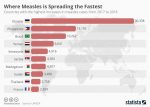
Infographic – Fastest Growing Measles Outbreaks
Measles, a disease once considered by health authorities to be under control, is making a comeback in many places in the world.
-

Spider Silk Property Discovered with Robotics Uses
Dragline silk, also known as spider silk, is found in a new study to have a property that makes the natural material suitable for artificial muscles and actuators in robotics.
-

Wireless Sensors Monitor Newborns in ICUs
An international team developed two wireless sensors that safely monitor the vital signs of newborn infants in intensive care units, replacing the multiple wired devices used today.
-

Blood Test as Good as Biopsy to Detect Cancer Targets
Results of a clinical trial show a commercial blood test works at least as well as tissue biopsies for determining precise genetic mutations causing most lung cancers.
-

Anti-Inflammatory Human Protein Produced in Plants
Researchers in Canada genetically engineered tobacco plants to economically produce large quantities of a human protein with anti-inflammatory properties.
-

Trials Underway Testing Crispr for Blood Disorders
Clinical trials testing the genome editing technique Crispr for sickle cell disease and beta thalassemia, two inherited blood disorders, enrolled and infused their first patients.
-
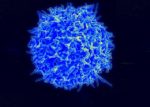
Gene Editing Deactivates Cause of T-Cell Side Effects
A biotechnology company developing engineered T-cells as treatments for cancer, used gene editing to deactivate a likely cause of serious adverse effects from its therapies.