Tag: biomedical
-
Data Architecture Studied to Speed Genomic Sequencing
An academic-industry team of researchers and engineers is studying better ways of structuring the large volumes of data storage needed to speed up genomic sequencing.
-

Foundation Backs Engineered T-Cells to Treat Lymphoma
A new initiative is researching modified immune system cells to treat T-cell lymphoma, a type of blood-related cancer, with a simpler, lower-cost process.
-
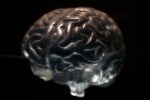
Trial Underway Testing Stem Cells for Stroke Repair
A clinical trial assessing stem cell treatments to repair long-term damage to brain cells from a stroke recruited its first patient.
-

Engineered Hens Produce Human Proteins in Eggs
An animal biology lab in Scotland developed genetically engineered chickens that efficiently produce human therapeutic proteins in their eggs.
-

Trial Testing Stem Cell Implants for Type 1 Diabetes
A clinical trial is underway testing the safety of implanted stem cells to generate working beta cells in the pancreas that produce insulin, in patients with type 1 diabetes.
-

Comment – Precision Medicine to Beat Antibiotic Resistance
Precision is applied to the bacterial genome, to find vulnerabilities making the microbe more susceptible to antibiotics, with those targets used to identify appropriate drugs.
-

Portable Sequencer Identifies Drug-Resistant Bacteria
Researchers using a hand-held genomic sequencing device were able to identify targets for combating drug-resistant bacteria much faster than current methods.
-
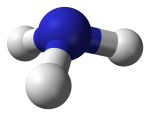
Engineered Microbe Blocks Ammonia Blood Poisoning
A genetically engineered bacterial strain is shown in tests with animals to stop ammonia poisons in the gut from reaching the blood stream, as well as be safe for humans in a clinical trial.
-

Sensor-Pill System Designed for Cancer Drugs
A system combining a tiny sensor with oral chemotherapy drugs aims to provide physicians with closer monitoring of cancer patients’ treatments and conditions.
-
Univ. Spin-Off Creates Concussion Detection App
A start-up enterprise begun by students at Purdue University developed an iPhone app that detects mild brain injuries by measuring responses of eyes to light.