Tag: university
-
Gene Therapy Stimulates Missing Enzymes in Rare Disease
Results from a clinical trial show an experimental gene therapy for Krabbe disease is safe and produces enzymes missing in children with the rare disease.
-

Algae-Grown Non-Needle Malaria Vaccine in Preclinical Test
A vaccine grown in genetically-altered algae, designed as a nasal-spray and edible drug, is shown to protect lab mice against parasite infections causing malaria.
-
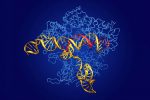
Patent Issued for Crispr-Edited Viruses in Microbiome
A biotechnology company developing gene-edited therapies for bacterial infections in the gut received a U.S. patent for viruses engineered as treatments.
-

Start-Up Developing Efficient RNA Process, Raises $12M
A company formed earlier this year is commercializing a more efficient process for making synthetic RNA molecules and raising $12 million in seed funds.
-

Stem Cell Lab Planned for Commercial Space Station
A collaboration between university researchers and a space science company is designing a stem cell research lab on a proposed commercial space station.
-
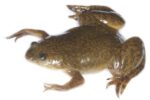
Start-Up Licenses Gene-Edited Drug Discovery Tech.
A new company is acquiring a technology using genome-edited tadpoles that finds current drugs addressing precise genetic conditions underlying rare diseases.
-

NIH Funds Decentralized Rare Disease Data Network
A start-up company is building a secure decentralized network of genomic and other medical data on rare diseases, funded by a fast-track award from an NIH agency.
-
Challenge Seeks Animal-Free Testing for Precision Meds.
A charitable foundation promoting research on human longevity unveiled a challenge competition to develop animal-free testing for personalized medicine.
-
Cell, mRNA Therapy Biotech Raises $165M in Early Funds
A new company, founded by university medical researchers, is developing cell therapies engineered with messenger RNA or mRNA to work inside the body.
-
Gut Microbes Shown to Detect Colorectal Cancer
An analysis of gut bacteria and blood samples from patients indicates changes in the microbiome can provide early warnings for colorectal cancer.