
-

Hispanic Neuro Disease Landscape Mapped in New Study
A new project examines brain pathologies leading to development of Alzheimer’s disease in Americans of Hispanic descent, a group largely ignored in neuroscience.
-
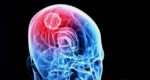
Controlled Brain Tumor Gene Therapy Shown Safe
A clinical trial shows an experimental gene therapy that controls release of a powerful anti-tumor protein is safe for patients with stubborn glioblastoma, a type of brain cancer.
-

Nanotube Fibers Configured for Heart Repair
Medical and engineering researchers developed fibers made with nanoscale carbon tubes that in lab animals conducted electrical signals and repaired heart damage.
-

Neuro Stimulation Reduces Stroke Muscle Weakness
A clinical trial shows a non-invasive device stimulating the spinal cord and upper limb muscles reduces spasticity and muscle weakness in people who suffered a stroke.
-

Trial Shows Two Drugs Can Treat Ebola Virus
A clinical trial in the Congo shows two different therapies made with synthetic antibodies are better able to treat Ebola infections than two other drugs tested.
-

Engineered Bacteria Hydrogels Designed for Gut Repair
Biomedical engineers genetically altered bacteria that when added to gel materials can be applied like a spray or ointment to help heal intestinal surfaces.
-

MD Anderson, Drug Maker Partner on Lung, GI Cancers
MD Anderson Cancer Center and drug maker Boehringer Ingelheim agreed to jointly develop new treatments for lung and gastrointestinal cancers.
-

Infographic – A.I. Venture Deals Reach New Highs
The total amount of venture capital worldwide raised by artificial intelligence start-up companies set a record in the second quarter of 2019, reaching $7.4 billion.
-

Food Technology Company Gains $4M in Seed Funds
A company developing a food preservation technology from university materials science labs is raising $4 million in its seed funding round.
-

Visa Concerns Keep Foreign PhDs Away from US Start-Ups
Science and engineering Ph.D.s from overseas receive as many job offers from U.S. start-ups as native-born doctorates, but accept the offers at less than half the rate.