Tag: cancer
-

Nanotech Vaccine Aids Melanoma Immunotherapy
A vaccine made with nanoscale peptide particles can prevent the occurrence of melanoma in lab mice, and treat the condition when combined with other drugs.
-

A.I. Finding Cancer Treatments in Generic Drugs
An organization seeking cancer treatments in off-patent generic drugs is partnering with a life science analytics company using artificial intelligence for drug discovery.
-
Trial Shows Immunotherapies Extend Life with Melanoma
First results from a clinical trial show a combination of immunotherapies extends survival among patients with melanoma, but shorter periods for other solid-tumor cancers.
-

Anti-Smoking Ads Not Reaching Most in U.S.
A nationwide survey shows a majority of American adults, including half of those who smoke, did not see court-ordered anti-smoking TV or newspaper advertisements.
-

Analysis – Most New Drugs Not Adding Patient Benefits
An analysis of drugs approved for use in Germany since 2011 shows no evidence most treatments provide new or added benefits to patients compared to standard care.
-

Immunotherapy Biotech Gains $325M in Venture Funds
A biotechnology enterprise developing personalized treatments for cancer and infectious diseases is raising $325 million in its second venture funding round.
-
Stem Cell Start-Up Raises $250M in Venture Funds
A company begun last year to create cancer therapies from banked, off-the-shelf stem cells is raising $250 million in its first round of venture financing.
-
Company Launches Attacking Cancer Proteins, Lands $67M
A new enterprise is starting-up to develop treatments that target cancer-causing proteins considered unreachable with current therapies.
-
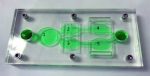
Chip Device Tests for Cancer Drug Efficacy, Toxicity
A configurable chip device simulating several human organs is shown in lab tests to simultaneously test cancer drugs for both their efficacy and toxicity.
-

Liquid Biopsy Screening Start-Up Launches, Gains $110M
A new enterprise is starting up, developing early-stage cancer screening with a single blood test, based on research at Johns Hopkins University.