Tag: preclinical
-

Stem Cell Genes Edited to Avoid Immune Rejection
A new study shows editing the genomes of adult stem cells can avoid their rejection by the immune system when implanted in lab mice other than the stem cell donor.
-

Laser Treatments Tested for Cancer Side Effects
Researchers from University at Buffalo are evaluating low-level lasers as a treatment for oral mucositis, a painful adverse effect of cancer chemo and radiation therapy.
-
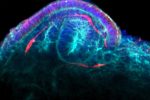
Kidney Organoids Created with Working Blood Vessels
Bioengineering labs at Harvard University and affiliated hospitals used stem cells and three-dimensional printing to create kidney tissue chips with blood vessel networks.
-

Capsule Designed to Inject Insulin in Stomach Wall
A biomedical engineering team created a capsule that in animal tests releases a tiny needle delivering an insulin dose to the stomach lining, equivalent to conventional insulin injections.
-
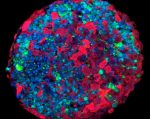
Brain Tissue Model Devised for Cancer Drug Testing
A three-dimensional brain tissue model, including a patient’s tumor cells, shows in lab tests an ability to test current and experimental cancer drugs.
-

Biotech, Univ. Lab Partner on Cancer Antibodies
A biotechnology company is engaging the services of a children’s cancer researcher to develop an antibody for treating neuroblastoma, a type of cancer that affects the nervous system.
-

Compounds Made Available for Pandemic Drug Discovery
Two international health organizations are making 400 compounds freely available to researchers to spur development of new drugs for pandemic infectious diseases.
-

Engineered Hens Produce Human Proteins in Eggs
An animal biology lab in Scotland developed genetically engineered chickens that efficiently produce human therapeutic proteins in their eggs.
-

Engineered Microbe Blocks Ammonia Blood Poisoning
A genetically engineered bacterial strain is shown in tests with animals to stop ammonia poisons in the gut from reaching the blood stream, as well as be safe for humans in a clinical trial.
-

3-D Printed Implants Treat Spinal Cord Injury
Customized implants, produced on a 3-D printer and seeded with stem cells, are shown in tests with lab animals to restore nerve signals and functioning after a spinal cord injury.