Tag: preclinical
-

RNA Therapy Studied for Parkinson’s Side Effects
Medical researchers are developing a treatment for a frequent side-effect of Parkinson’s disease drugs using a corrective RNA molecule to reverse the condition.
-

Start-up Funds Univ. Medical Cannabis Research
A developer of therapies derived from cannabis is sponsoring a 3-year basic and translational research program, including clinical trials, at Imperial College London.
-

Genetic Acids Harnessed to Promote Wound Healing
A bioengineering team designed a way to use acids in DNA that in lab tests promote wound repair by encouraging production of healing proteins in surrounding tissues.
-

Inhaled Messenger RNA Developed, Tested
An academic-industry team developed an inhaled form of genetic material in nanoscale particles that enables lab mice to safely produce proteins in their lungs.
-

Eye Drops Reverse Infected Eye Scarring
Eye drops containing a therapeutic protein and applied as a gel, are shown in lab mice to remove scar tissue from the surface of infected or damaged corneas.
-
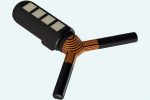
Bluetooth Data Added to Ingestible Capsules
Engineers created a sensor device, which in tests with pigs can be packed into a capsule, swallowed, and communicate wirelessly for weeks with Bluetooth protocols.
-
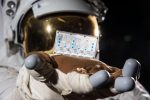
Immune Cell Chips to Launch into Space for Microgravity Tests
Chip devices with human immune system and stem cells are among the cargo set for launch today to the International Space Station.
-
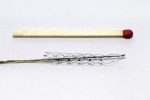
Electrode in Brain Blood Vessel Shown to Stimulate Body Muscles
Electrodes sent into a blood vessel in the brain with a catheter and stent are shown in tests with sheep to stimulate muscles in the animals’ faces and limbs.
-
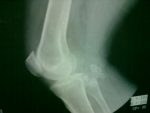
Nanotech Polymers Deliver More Effective Arthritis Therapy
A chemical engineering lab developed a process to help proteins combined with nanoscale polymers penetrate the cartilage in lab rodents and boost treatment for damage caused by osteoarthritis.
-
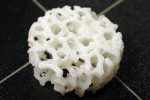
3-D Printed Scaffolds with Stem Cells, Sensors Studied to Repair Bones
A bioengineering lab at University of Arizona is researching new techniques with three-dimensional printing, stem cells, and sensors to repair severe bone fractures.