Tag: software
-
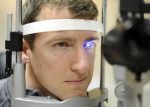
Electronic Tags Assessed to Boost Clinic Care
A medical school eye clinic is asking clinicians and patients to wear radio-frequency tags that track their time and movements to improve the clinic’s efficiency and quality of care.
-

Algorithms Identify More Genetic Syndromes
An analysis of facial images with computer vision and deep learning returned more accurate identifications of genetic syndromes than 3 panels of trained clinicians
-
AI, Wearables Posing Health Privacy Risks
An analysis shows artificial intelligence algorithms can connect Americans’ activity tracking data to to their individual private medical information.
-
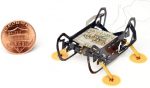
Micro Robots Made to Climb in Curved, Inverted Spaces
A robotics lab at Harvard University created a tiny, 4-legged robot that travels through tight spots, climbing on vertical surfaces and even upside down.
-

Smartphone App Measures Wounds, Tracks Healing
The need for better ways of tracking the size and healing of wounds led a medical resident in Canada to help develop a smartphone app and start a company for these tasks.
-

Virtual Reality Illness Fix in Development
A computer science and engineering team in Texas is developing a technical solution for virtual reality experiences that can make some users physically ill, with symptoms like seasickness.
-
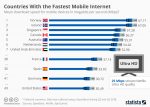
Infographic – Countries with Fastest Mobile Internet
As the chart above indicates, those networks vary considerably in speed from one country to the next.
-
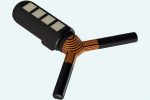
Bluetooth Data Added to Ingestible Capsules
Engineers created a sensor device, which in tests with pigs can be packed into a capsule, swallowed, and communicate wirelessly for weeks with Bluetooth protocols.
-
Mobile App, Start-Up Find Designated Drivers
A group of current and former students at Virginia Tech designed a smartphone app and started an organization to connect designated drivers to party-goers to take them home safely.
-
Validation Scheme Proposed for Medical Algorithms
A law school professor urges developers, users, and regulators of machine learning in medicine to validate the algorithms that represent their underlying decision-making processes.