
-
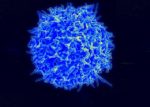
Immune Disease Biotech Acquired in $405M Deal
A biotechnology developer of treatments for autoimmune disorders with checkpoint receptor proteins is acquired by drug maker Gilead Sciences.
-

Peptide Vaccine Shown to Reduce Harmful Cholesterol
Tests with lab monkeys show a vaccine with a synthetic peptide lowers so-called bad cholesterol in blood for longer periods than a comparable monoclonal antibody.
-
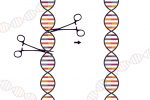
Patent Issued for Anti-Bacterial Viruses with Crispr Payloads
A biotechnology company received a patent for its engineered viruses to deliver gene-edited treatments to combat bacterial infections in the microbiome.
-

Alzheimer’s Assn Collecting Real-World Therapy Data
An advocacy group for Alzheimer’s disease care and research is establishing a network for collecting long-term safety and outcomes data from patients in real-world settings.
-
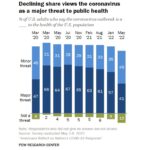
Infographic – Fewer in US See Covid-19 Threat
The percentage of Americans viewing Covid-19 as a major threat to public health is declining, with a majority now saying the disease is a minor or no threat at all.
-

Biotech Start-Up Demonstrates Cancer Therapy, Raises $6.4M
A new biotechnology company demonstrated in lab mice its therapy for glioblastoma, an aggressive brain cancer, that overcomes limitations of current treatments.
-

Women’s Health Companies Partner on New Contraceptive
Two companies working in women’s reproductive health are developing a new non-hormonal contraceptive that works in cervical mucous membranes.
-

Biotechs Discover Antimicrobial Peptide for Food Safety
Two biotechnology companies say they discovered a peptide molecule with antimicrobial properties for faster identification and containment of food contamination outbreaks.
-

Small Biz Grant Funds Non-Viral Gene Editing Delivery
National Institutes of Health is financing a delivery method for gene-editing therapies to blood-forming stem cells with natural lipid bubbles instead of viruses.
-

Ginkgo Acquires Biomaterials Maker as Industry Consolidates
A developer of synthetic biology tools and components is acquiring a biological materials developer for its automation assets as the biotechnology industry consolidates.