Tag: physical sciences
-

NIH Funds Augmented-Reality Endovascular System
A grant from National Institutes of Health is funding a system using augmented reality and holography to improve minimally-invasive repair of blood vessels.
-

Hydrogel Shown Safe to Repair Heart Damage
Results of a small-scale clinical trial show an experimental treatment using an injectable gel to repair damage from a heart attack is safe for patients.
-
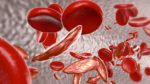
Gene-Editing Biotech Gains $34M in Early Funds
A two year-old enterprise spun-off from Yale University is developing gene-editing treatments for genetic disorders with synthetic peptides and DNA delivered in nanoscale particles.
-
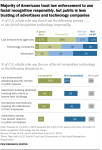
Infographic – Trust Varies in Facial Recognition Use
Americans overall express at least some trust about facial recognition use by law enforcement, but less confidence when used by businesses or employers.
-
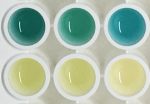
Urine Test Shows Promise for Cancer Screening
Biomedical engineers and materials scientists developed a simple urine test that in samples from lab mice show they can screen for colon cancer.
-

Deep Learning Techniques Speed Drug Discovery
Researchers developed and demonstrated techniques with deep learning to discover new small molecule drugs ready for validation and lab animal tests in 21 days.
-
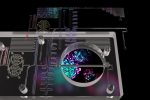
Chip Device Simulates Islet Cell Functions
A new device testing the functions of insulin-producing islet cells in the pancreas is designed on a plastic chip made with common materials and manufacturing methods.
-

Robotic Device Navigates Brain Blood Vessels
Engineers and materials scientists designed a robotic device thin and flexible enough to thread through blood vessels in a model brain under remote control.
-
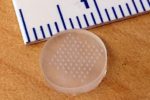
Patch Designed for Vaccines, Cancer Treatments
An engineering team designed a small skin patch with tiny needles that in lab mice quickly delivers vaccines and possibly treatments for melanoma.
-
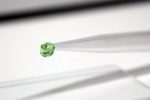
Crispr Deployed for Programmable Smart Hydrogels
Bio-engineers developed a process using the gene editing technique Crispr to design gel materials with properties added for drug delivery, diagnostics, and electronic circuits.