Tag: physical sciences
-

Virtual Reality Illness Fix in Development
A computer science and engineering team in Texas is developing a technical solution for virtual reality experiences that can make some users physically ill, with symptoms like seasickness.
-

A.I.-Aided Processes Reduce Chemical Reaction Time, Waste
A chemical engineering lab designed processes with artificial intelligence to screen chemical reactions in small quantities that can reduce the time and waste in current methods.
-

Bluetooth Data Added to Ingestible Capsules
Engineers created a sensor device, which in tests with pigs can be packed into a capsule, swallowed, and communicate wirelessly for weeks with Bluetooth protocols.
-

Companies to Analyze 40,000 Protein Samples
A partnership between genomic analysis company deCode Genetics and proteomics enterprise SomaLogic plans to analyze protein activity in 40,000 human samples.
-

Mobile App, Start-Up Find Designated Drivers
A group of current and former students at Virginia Tech designed a smartphone app and started an organization to connect designated drivers to party-goers to take them home safely.
-

Validation Scheme Proposed for Medical Algorithms
A law school professor urges developers, users, and regulators of machine learning in medicine to validate the algorithms that represent their underlying decision-making processes.
-

Nanotech Gene Therapy Company Raises $8.5M in Seed Funds
A start-up company developing nanoscale particles to deliver gene-editing enzymes, including those for Crispr, is raising $8.5 million in its seed funding round.
-
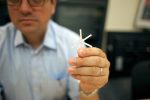
Patent Set for Long-Term Drug Capsules
Techniques for delivering drugs in capsule form that last a week or longer in the patient are expected to receive a patent soon from U.S. authorities.
-

Companies Partner on High-Resolution 3-D Tissue Printer
Two developers of tissue engineering technologies are building a three-dimensional bioprinter that produces high resolution, finely structured human tissue, including tiny blood vessels.
-
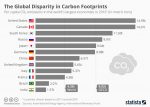
Infographic – U.S., Canada Top National Carbon Footprints
The U.S. and Canada each emit nearly 15 metric tons of CO2 per person, leading the list of top national polluters.