Tag: engineering
-
Ships Are Becoming Safer With Technology
Here are just several big technological developments in safety that future ships may depend on.
-

Blockchain and Science, Not Ready for Prime Time
A panel of data and behavioral scientists envision great potential for blockchain in science, but show few cases of blockchain in use today among researchers.
-
Slips And Falls, Underestimated Workplace Hazards
Trips and falls are still one of the biggest workplace dangers in any industry and the majority of the time, they’re easily avoidable.
-
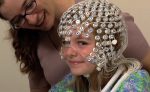
Non-Invasive Brain Stimulation Adapted for Epilepsy
An academic-industry collaboration in Europe is evaluating brain stimulation, but without implanting electrodes, as a treatment for one type of epilepsy.
-

Laser Treatments Tested for Cancer Side Effects
Researchers from University at Buffalo are evaluating low-level lasers as a treatment for oral mucositis, a painful adverse effect of cancer chemo and radiation therapy.
-
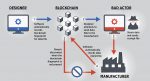
Blockchain Manufacturing Model Described
A report from the U.S. government’s standards agency offers a model for using blockchain, a distributed transaction process, to secure transmissions in smart manufacturing systems.
-

Kidney Organoids Created with Working Blood Vessels
Bioengineering labs at Harvard University and affiliated hospitals used stem cells and three-dimensional printing to create kidney tissue chips with blood vessel networks.
-

Capsule Designed to Inject Insulin in Stomach Wall
A biomedical engineering team created a capsule that in animal tests releases a tiny needle delivering an insulin dose to the stomach lining, equivalent to conventional insulin injections.
-

Large Molecule Library Enables On-Demand Drug Discovery
A large-scale public drug molecule library is shown with computational modeling to accurately identify on-demand new compounds that bind completely to therapy targets.
-
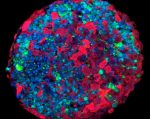
Brain Tissue Model Devised for Cancer Drug Testing
A three-dimensional brain tissue model, including a patient’s tumor cells, shows in lab tests an ability to test current and experimental cancer drugs.