Tag: physical sciences
-

A.I., Imaging Shown to Predict Immunotherapy Success
Researchers in France developed a system for computing data from CT scans and genomic analysis to predict the success for therapies that invoke the immune system in patients with solid-tumor cancers.
-

Graphene Extended for 3-D Printing, Medical Devices
Two recent studies describe methods for fabricating the material graphene into complex shapes with 3-D printing, as well as showing graphene can likely degrade inside the human body.
-
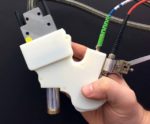
Hand-Held Device Inspects Individual Retina Cells
A medical engineering team created a small lightweight device that can inspect individual photoreceptor cells in the retina, the part of the eye that converts visual images to brain signals.
-

Biotechs Collaborate on More Precise Gene, Cell Cancer Therapies
Two biotechnology enterprises developing cancer treatments are pooling their efforts to develop therapies aimed at more specific targets across a range of solid tumor types.
-

A.I. System Catches Tiny Lung Tumors Missed by Humans
Engineering researchers developed a system with machine learning that analyzes CT scans to detect tiny early-stage lung tumors at a higher rate than visual inspections by radiologists.
-

Baby Box Technology for Sick Newborns Licensed to Start-Up
A start-up company is gaining the rights to a technology that helps the breathing of infants suffering from withdrawal from drugs taken by their mothers, and other disruptive conditions.
-

Fully Biodegradable Plastic Straws in Testing
A university research center and biodegradable plastics company are testing a new type of drink straw that degrades completely after use in normal soil and water conditions.
-

New Antibiotics Discovered in Stomach Peptides
Researchers in Italy and the U.S. found a potential source of new antibiotics in derivatives of peptides used by the digestive process in the stomach.
-

FDA Clears Magnetic Device for Obsessive Compulsive Disorder
A non-invasive device using magnetic waves that penetrate the brain to treat obsessive-compulsive disorder received authorization for sales in the U.S. from the Food and Drug Administration.
-
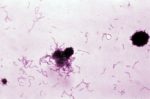
Nanoparticle Process Designed to Detect, Treat Oral Bacteria
A bioengineering lab devised a way to quickly detect and treat bacteria responsible for tooth decay with a combination of X-rays and a non-toxic compound in nanoscale particles.