Tag: pharmaceuticals
-

Comment – Precision Medicine to Beat Antibiotic Resistance
Precision is applied to the bacterial genome, to find vulnerabilities making the microbe more susceptible to antibiotics, with those targets used to identify appropriate drugs.
-

Engineered Microbe Blocks Ammonia Blood Poisoning
A genetically engineered bacterial strain is shown in tests with animals to stop ammonia poisons in the gut from reaching the blood stream, as well as be safe for humans in a clinical trial.
-

Sensor-Pill System Designed for Cancer Drugs
A system combining a tiny sensor with oral chemotherapy drugs aims to provide physicians with closer monitoring of cancer patients’ treatments and conditions.
-
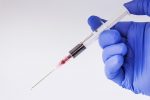
Consortium to Speed Vaccine Production
An alliance of research organizations is designing ways to cut the time needed to develop, test, and manufacture new vaccines to as little as 6 months.
-

Shutdown Delays FDA Peanut Allergy Drug Review
Regulatory review of a drug to prevent allergic reactions to peanuts appears to be delayed by the shutdown of some U.S. government operations.
-

3-D Printed Implants Treat Spinal Cord Injury
Customized implants, produced on a 3-D printer and seeded with stem cells, are shown in tests with lab animals to restore nerve signals and functioning after a spinal cord injury.
-

RNA Therapy Studied for Parkinson’s Side Effects
Medical researchers are developing a treatment for a frequent side-effect of Parkinson’s disease drugs using a corrective RNA molecule to reverse the condition.
-
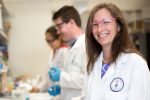
Spin-Off Gains Seed Funds for Non-Opioid Pain Drug
A company spun-off from a university medical materials lab received start-up funds to develop a non-opioid surgical pain therapy, including a clinical trial.
-

Cancer-Fighting Protein Designed to Cut Adverse Effects
A computational biology lab designed a synthetic protein that works like natural cancer-fighting proteins, but in lab mice kills cancer cells with few adverse effects.
-

Start-up Funds Univ. Medical Cannabis Research
A developer of therapies derived from cannabis is sponsoring a 3-year basic and translational research program, including clinical trials, at Imperial College London.