Tag: physical sciences
-
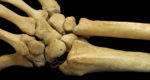
FDA Okays A.I.-Guided Wrist Fracture Software
The U.S. Food and Drug Administration authorized marketing of software to help diagnose wrist fractures using machine-learning algorithms to read and interpret X-ray images.
-
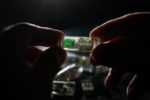
Ingestible Device Designed to Monitor Gut Health
Biomedical engineers designed a sensor chip small enough to be swallowed, which in tests with pigs shows it can detect indicators of disease in the gut and transmit its readings to an external device.
-
Brain Stimulation Shown to Reduce Insulin Resistance
Electrical stimulation of an area in the brain that releases the hormone dopamine is shown to increase sensitivity to insulin, opening a potential new pathway for treating type 2 diabetes.
-
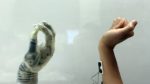
Simpler Scheme Devised for Prosthetic Hand Controls
An engineering team designed a faster and more generic process for translating neuromuscular signals into computer controls for prosthetic hands than current machine-learning models.
-
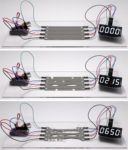
Self-Repair Developed for Soft Materials Circuits
Materials scientists and engineers developed the ability for electronic circuits in soft materials, like those found in wearable devices, to repair themselves if ruptured.
-

Infographic – Graphene Investment in Decline
In a report this week, our friends at CB Insights note that the investment community is waiting for graphene to reach a critical commercial mass, but their patience may be running out.
-

Virtual Biopsy in Development to Detect Melanoma
An engineering professor in Colorado is developing a new process for diagnosing melanoma, an aggressive form of skin cancer that analyzes conditions in the skin without removing tissue samples.
-
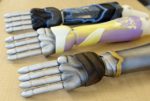
Trial to Test 3-D Printed Prosthetic Arms for Kids
A clinical trial is recruiting participants to evaluate low-cost prosthetic arms custom-designed for children and produced with three-dimensional printing.
-

Wearable Devices Explored to Detect Emotional States
An engineering lab in Houston, Texas is developing techniques for assessing a person’s mental state by measuring changes in the skin’s chemistry using sensors worn on the wrist.
-
Trial Testing Radio Waves to Clear Nasal Blockages
A small-scale clinical trial is recruiting participants to test radio signals for clearing nasal passages obstructed by deformed soft tissue, instead of drugs or surgery used today in many cases.