Tag: life sciences
-

Coffee, Hemp Cells Set for Space Station Study
A company is sending cell cultures from hemp and coffee plants to the International Space Station to test effects of weightlessness on the plants’ gene expression.
-

Venom-Aided Immunotherapy Designed for Brain Tumors
Cancer researchers developed engineered immune-system cells, helped by peptides from scorpion venom, that in lab mice bind more reliably to brain tumor cells.
-
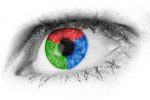
Contact Lens Material Reduces Color Blindness
An engineered ultra-thin material designed for contact lenses is shown in lab tests to help correct for a common form of color blindness.
-

Patient Receives First Crispr Genetic Eye Treatment
An individual with a rare genetic eye disease received the first dose of an edited gene in a clinical trial of an experimental treatment for the disorder.
-

Wearable Defibrillator Maker Gains $145.6M
The developer of a patch device that monitors and adjusts heart rhythms to prevent sudden cardiac death is raising $145.6 million in a new venture funds.
-

Proteins from Bacteria Generate Power for Wearables
A collaboration of engineers and biologists created a way of producing electric power from humidity in the air with fine wires made of proteins from bacteria.
-
Foundation Supports ALS Inflammation Treatments
A foundation is funding a biotechnology company’s research on therapies to block proteins encouraging neuron inflammation in people with amyotrophic lateral sclerosis, or ALS.
-
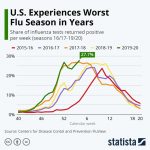
Infographic – U.S. Having Bad Flu Season
According to data from the Centers for Disease Control and Prevention, the infection rate for this year’s seasonal influenza is among the highest in the past five years.
-

Infant Jumpsuit Captures Objective Movement Data
A one-piece garment fitted with sensors is shown to capture data about an infant’s movements for analysis by algorithms to reveal possible developmental problems.
-
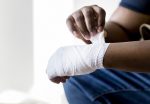
Wireless Smart Bandage Designed for Chronic Wounds
A university lab developed a wirelessly-controlled programmable bandage that in tests with lab mice results in more diabetic wound closure than topical medicines.