
-
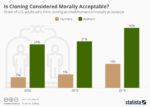
Infographic – Cloning Gains More U.S. Support
Although still a minority, about 4 in 10 of those polled by the Gallup organization in May of 2018 say they find the cloning of animals morally acceptable, a marked increase from 2010 and 2002.
-
Top Ways that Technology Could Boost Your Small Business
When you operate a small business, you probably have to think about the technology that you have, the upgrades that are available and even your budget as well.
-
Making Your Own Beer From Home
In this article, we are going to go through the basic process of making your own beer, so that you can give it a go yourself and see what happens.
-

Taking a Break
Science & Enterprise is taking an early summer break, and we will not be publishing any editorial posts for the rest of this week.
-

Bacterial Genome Recoded to Produce Stable Protein Drugs
A biotechnology lab devised techniques for genetically engineered bacteria to produce synthetic proteins that can last longer and are more stable than current protein production methods.
-

Blood Tests Shown Able to Identify Early Lung Cancer
Results from a large-scale clinical trial show an analysis of blood samples can detect and identify the presence of characteristic DNA indicating a person may have early stages of lung cancer.
-
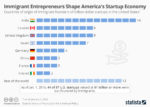
Infographic – Immigrants Boost High-Value U.S. Start-Ups
Based on data from 2016, about half — 44 of 87 — U.S. start-ups valued at $1 billion or more were founded by immigrants, with India providing the largest number of these entrepreneurs.
-

Stem Cell Transplants Found Safe for Spinal Cord Injuries
Results from a clinical trial testing transplants of neural stem cells for spinal cord injuries show the therapies are safe for patients, with signs of improvement in most participants 1 to 2 years after treatment.
-

Nanoscale Cell-Like Robots Shown to Clean Blood
Engineering researchers developed tiny robotic devices, powered by ultrasound and designed to look and act like blood cells, which in lab tests cleared human blood of dangerous bacteria and toxins.
-

Data Tools Designed for Genomics-Based Precision Cancer Care
A computerized system is available that analyzes the genomic composition of cancer patients and recommends personalized treatments that its designers say take into account a larger array of factors than comparable systems.