
-
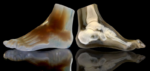
3-D Print Advance Creates More Accurate Medical Models
A new three-dimensional modeling and printing process can produce more accurate models of human anatomy in less time and with less effort than current techniques.
-
Investing – The Path To True Wealth
The fundamental difference between small business owners and employees vs. investors and big business owners is that the small business owner and employee are both trading time for money in a very linear and transactional way.
-
Immunotherapy Trial Shows Increased Brain Cancer Survival
Results from a clinical trial show an experimental treatment for an aggressive form of brain cancer that harnesses the immune system extends patients’ survival, when combined with standard cancer care.
-

New ALS Drug Formula Shown Active, Safe
A new formulation of a current drug to treat amyotrophic lateral sclerosis, or ALS, shows in its first clinical trial the drug produces more active ingredients against ALS than the current drug and causes no safety concerns.
-
Four Ingredients That Every Good Web Site Needs
A lot of people don’t actually know what makes a good web site and they just think of all of the cosmetic stuff but a good web site is about more than just design.
-

Memorial Day 2018
Today is Memorial Day in the U.S., so Science & Enterprise is not posting any new items.
-

We’ve Updated Our Privacy Policies (Like Everyone Else)
In keeping with the General Data Protection Regulation in Europe that went into effect yesterday, Technology News and Literature, the publisher of Science & Enterprise, updated its policies on privacy and cookies.
-
Five Tips For Looking After Your Lab Equipment
Keeping your lab equipment well maintained is vital. Poor maintenance could lead to contamination or damage, which could affect the accuracy of your results.
-
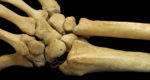
FDA Okays A.I.-Guided Wrist Fracture Software
The U.S. Food and Drug Administration authorized marketing of software to help diagnose wrist fractures using machine-learning algorithms to read and interpret X-ray images.
-
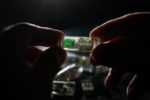
Ingestible Device Designed to Monitor Gut Health
Biomedical engineers designed a sensor chip small enough to be swallowed, which in tests with pigs shows it can detect indicators of disease in the gut and transmit its readings to an external device.